Comorbidities

Overview

Cardiometabolic conditions frequently occur together and share common risk factors, increasing the occurences of complications and leading to disease progression. A comprehensive approach that addresses glycemic control, blood pressure management, kidney health, and cardiovascular risk can improve outcomes andreduce the burden of chronic disease.

Diabetes and CKD

Key Takeaways

  • Diabetes is a leading cause of CKD
  • Early CKD is often asymptomatic, making routine screening essential
  • Glycemic control, blood pressure management, and use of therapeutic interventions can slow CKD progression

Screening Recommendation

  • Patients with Type 2 Diabetes should receive CKD screening for eGFR and uACR

Clinical Considerations

  • Optimizeglycemic control to reduce risk of kidney complications
  • Support medication adherence and lifestyle modifications
  • Consider therapies mindful of cardiovascular and kidney health when appropriate
Chart describing the GFR Desicription and Range and Albuminuria Categories desciption and range for low risk to high risk

Chronic Kidney Disease and Risk Management: Standards of Care in Diabetes

HTN and CKD Progression

Key Takeaways

  • HTN contributes to kidney damage and accelerates CKD progression
  • CKD increases cardiovascular risk and likelihood of cardiovascular events
  • Blood Pressure management is essential for protecting kidney and cardiovascular health

Clinical Considerations

  • Use standardized blood pressure measurement techniques, checking every visit + SMBP
  • Encourage lifestyle modifications and medication adherence
  • Utilize evidence-based antihypertensive therapies when appropriate

Source: See Co-morbidities Resources (Reference 2)

Cardiovascular Disease Risk in Patients with Diabetes and CKD

Why it matters

Patients with diabetes and CKD have heightened cardiovascular disease event risk. Addressing multiple risk factors together; including glucose control, blood pressure, lipid management, and kidney protection; supports comprehensive cardiometabolic care.

Primary Care Priorities

  • Monitor cardiovascular risk factors
  • Optimize blood pressure and lipid management
  • Screen for CKD complications
  • Use team-based care to support long-term disease management

HTN Treatment Flowchart for People with Diabetes
Risk Stratification for CKD in Diabetes

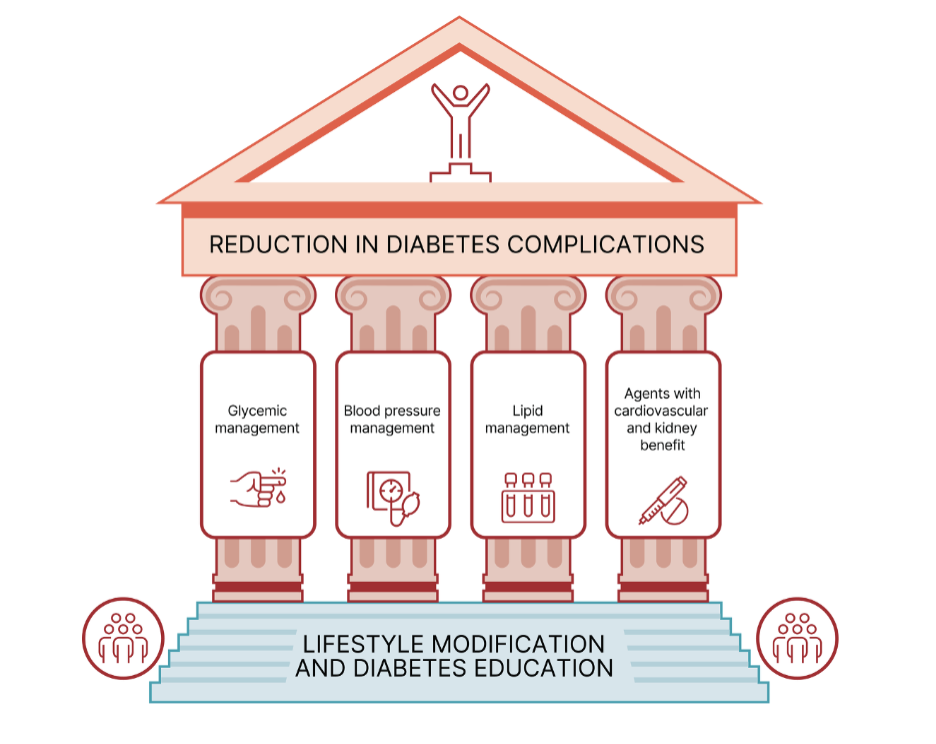
Illustration of a temple representing reduction in diabetes complications, supported by four pillars: glycemic management, blood pressure management, lipid management, and agents with cardiovascular and kidney benefit. The temple rests on a foundation of lifestyle modification and diabetes education
View Larger Image

Source: See Co-morbidities Resources (References 3, 4)

Back to Cardiovascular Kidney Metabolic Toolkit