Diabetes

Overview

Chronic metabolic disease characterized by hyperglycemia due to impaired insulin secretion, insulin action, or both (type 1 and type 2 diabetes)

  • Associated with increased risk of
    • Cardiovascular disease
    • Stroke
    • Chronic kidney disease
    • Neuropathy
    • Vision loss
    • Mortality

Prediabetes

  • Blood glucose levels above normal but below the diagnostic threshold for diabetes
  • Without intervention, prediabetes can progress to type 2 diabetes
  • Early identification and intensive lifestyle intervention can prevent or delay progression
Infographic of the status of diabetes control in the nation
Infographic showing the status of the diabetes control in Wisconsin
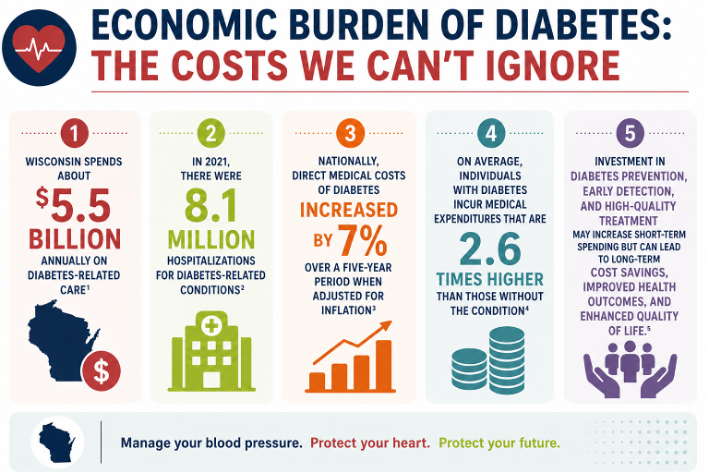
Infographic of the economic burden of diabetes

Source: See Diabetes Resources (References 1-6, 27)

Improvement Strategy #1: Identify Patients Early and Standardize Screening and Monitoring

Implement standardized diabetes care pathways that promote routine monitoring, individualized treatment, and progression prevention

  • Risk assessment
  • Prediabetes indentification
  • Screening recommendations
  • Diagnostic criteria
  • Routine monitoring (A1c, BP, lipids, kidney health, etc.)

Prediabetes

Prediabetes Ad
Flyer for prediabetes risks
Download Graphic

Prediabetes Identification

  1. Screen patients at risk: ADA Type 2 Diabetes Risk Test
  2. Educate on evidence-based lifestyle changes (nutrition, physical activity, weight management)
  3. Refer to a CDC-recognized National Diabetes Prevention Program:

Standardized Diabetes Care and Monitoring:
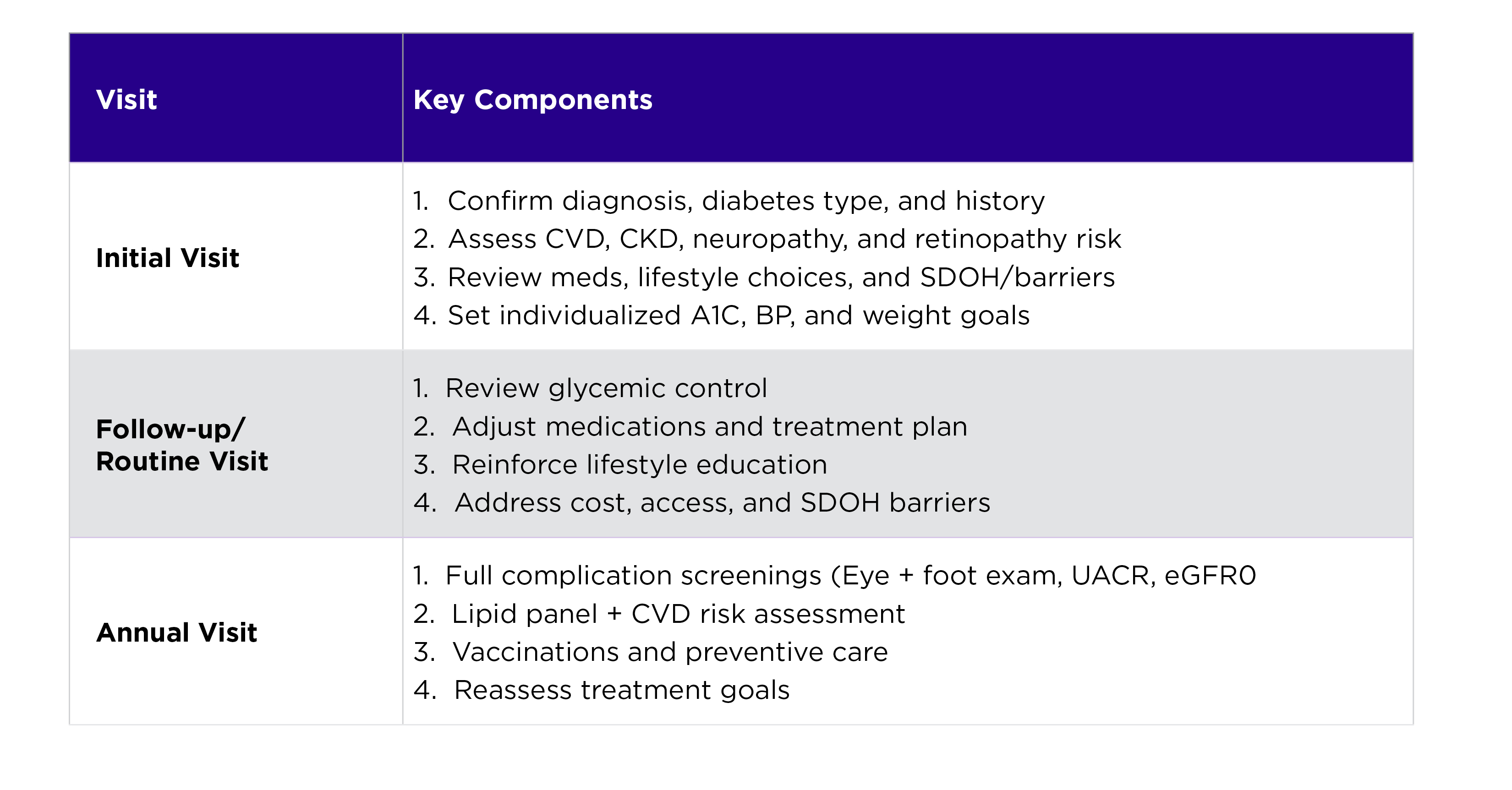
2026 ADA Standards of Care Diabetes Medical Evaluation

Standardized Diabetes Care

Why is this important?

  • Use standardized workflows and reminders to ensure consistent monitoring (A1C, CGM, foot exams, kidney health, and retinal screening)
  • Individualize glycemic goals while routinely assessing blood pressure, lipids, kidney disease, and cardiovascular risk
  • Screen for SDOH (food insecurity, medication cost, transportation, health literacy) that affect diabetes outcomes
  • Leverage registries, telehealth,and care gap tools to improve follow-up and population health management

Health Resources and Services Administration Workflow for Diabetes Telehealth

  • Use structured telehealth workflows for scheduling, data review, and follow-up
  • Implement pre/post-visit protocols + remote communication to support continuous monitoring

Diagnostic Criteria

ADA Diabetes Health Check Points

  • A1C
    • Average goal is less than 7
    • Every 3-6 months
  • Albumin to creatinine ratio
    • <30 mg/g of urine creatinine
    • annually
  • Ankle brachial index
    • Ankle BP compared to arm
    • Target is 0.9-1.3
    • If symptomatic for peripheral artery disease
  • Blood pressure
    • Less than 130/80 mmHg
    • Every visit with a provider
  • Bone mineral density
    • T-score at or above –1
    • Baseline scan when women begin menopause and men at age 50
  • Body Mass Index
    • 18.5 to 24.9
    • Checked every visit
  • Dialated Eye Exam
    • T1D– within 5 year of diagnosis and then annually
    • T2D– at diagnosis and then annually
  • Estimated Glomerular Filtration Rate
    • Higher than 80 ml/min/1.73 m2
    • Annually
  • Cholesterol and triglycerides
    • Every 5 years, more frequent with new medication monitoring

Continuous Glucose Monitoring

Time in Range for Glucose Monitoring Chart


Source: See Diabetes Resources (References 11-17, 20, 22, 24, 28, 29)

Improvement Strategy #2: Diabetes Treatment, Lifestyle Interventions, and Risk Reduction

Implement evidence-based strategies to support sustainable health improvements

  • Screen early for prediabetes/diabetes and promote nutrition, physical activity, weight management, and reduced alcohol use to prevent progression
  • Optimize glycemic control and manage comorbidities (CVD, CKD) through ongoing monitoring and risk reduction strategies

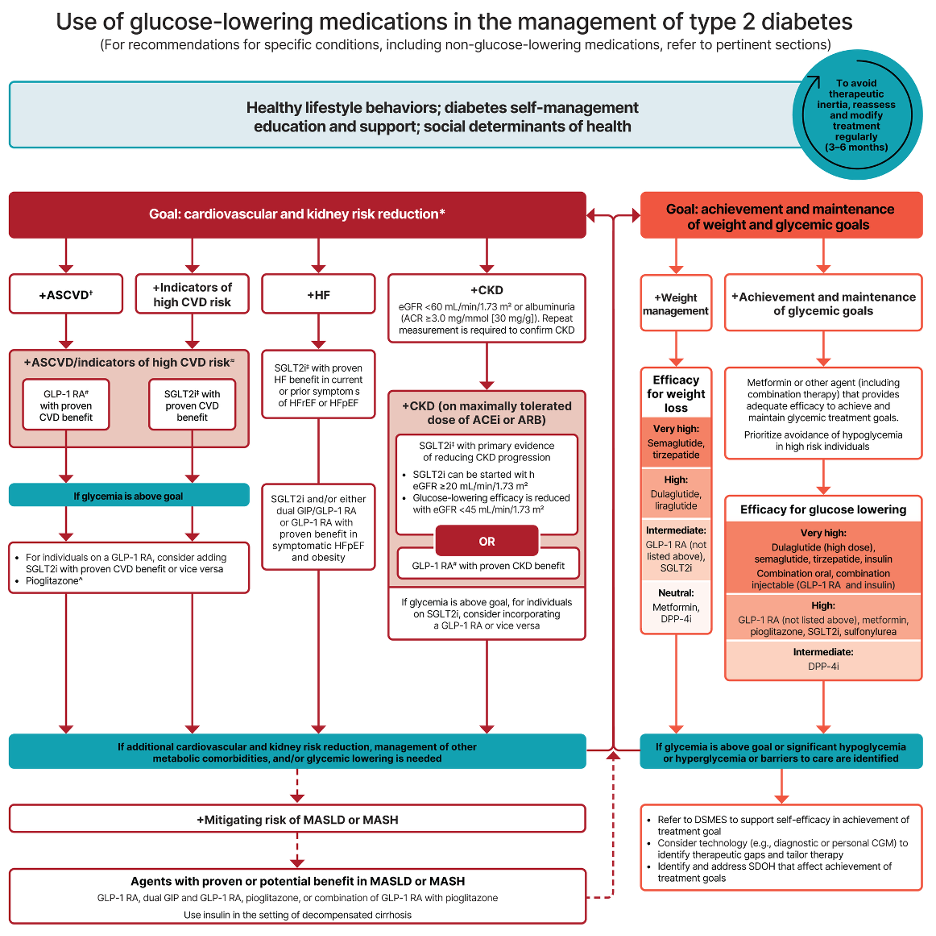
Type 2 Diabetes Treatment

Type 2 Diablets Healthy lifestyle behaviors flowchart
Click to download chart

Pharmacologic Approaches to Obesity Treatment in Individuals with Diabetes

Chart of Pharmacologic Approaches to Obesity Treatment in Individuals with Diabetes

Lifestyle Change and Behavior Support:

  1. Follow a healthy dietary pattern at every stage of life
  2. Customize and enjoy nutrient-dense food and beverage choices to reflect personal preferences, cultural traditions, and budgetary considerations
  3. Focus on meeting food groups needs with nutrient-dense foods and beverages, and stay within daily calorie needs
  4. Limit alcoholic beverages and foods or beverages higher in added sugars, saturated fat, and sodium
Lifestyle and Behavioral changes for living with diabetes in 4 areas

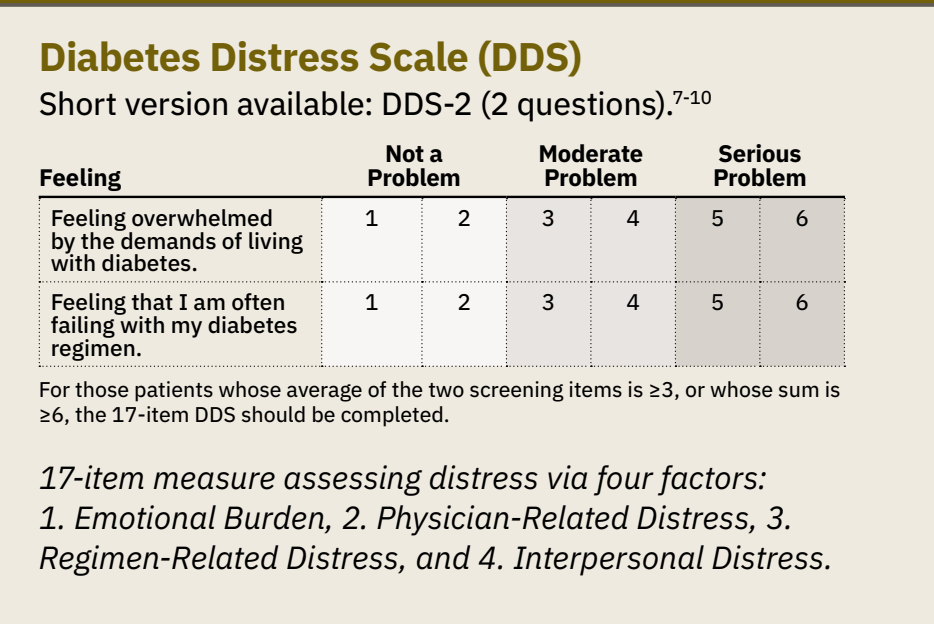
Diabetes Distress Screening

Diabetes Distress Scale DDS Chart

Problem Areas In Diabetes (PAID)-5 screening tool

Graph showing problem areas in diabetes

Patient Education Materials

Complication Prevention Resources:

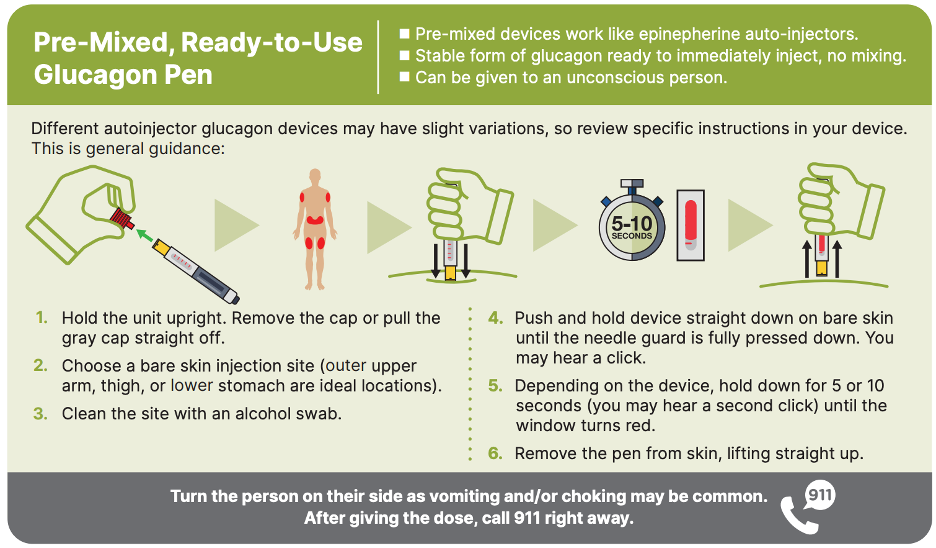
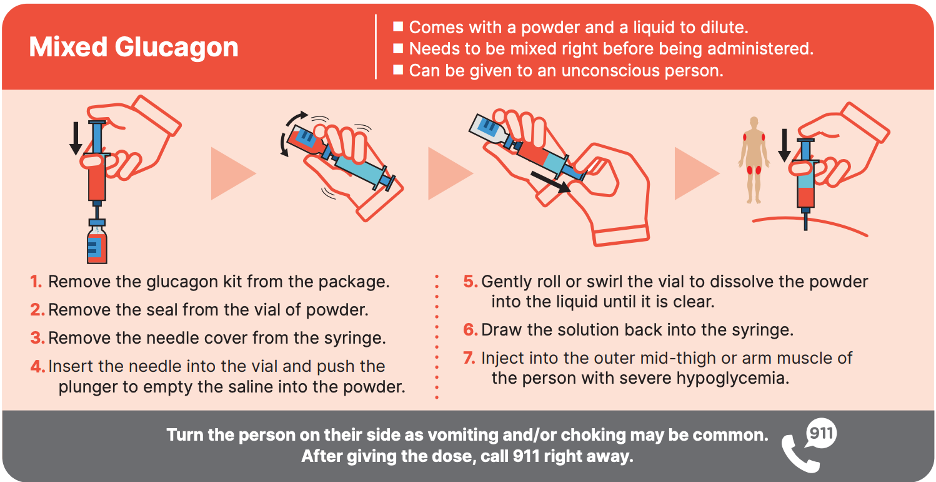
Glucagon Administration Guide

Infographic of Pre-Mixed, Ready-to-Use Glucagon Pen
Infographic titled 'Mixed Glucagon' explaining that it comes with a powder and liquid to dilute, needs to be mixed right before use, and can be given to an unconscious person. Seven illustrated steps:

Source: See Diabetes Resources (References 10-12, 19, 22, 27,29-31)

Addressing Barriers to Diabetes Care

SDOH in Diabetes

  • Key barriers to screen for: Food insecurity, medication cost, transportation, and low health literacy
  • Clinical impact: SDOH directly affect A1c, adherence, complication risk, and follow-up care
  • Action: After screening, connect to resources → tailor treatment plan to patient context

Source: See Diabetes Resources (Reference 23)

Patient Education & Adherence

  • Support long-term behavior change through education, coaching, structured programs, and digital tools

Refer to DSMES

  • At diagnosis
  • Annually
  • When treatment changes
  • When complications develop
  • During care transitions

DSMES Resources

Patient Handouts

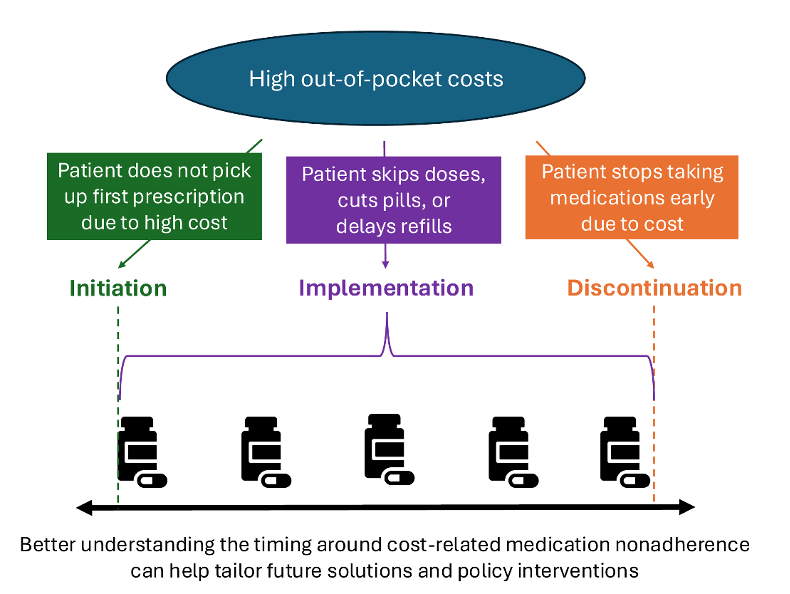
ADA Cost-Related Nonadherence Cost Conversation Checklist:

  • Can you afford your medication?
  • Have you skipped does because of cost?
  • Transportation concerns?
  • Food insecurity?
  • Difficulty using supplies?
iagram showing three stages of cost-related medication nonadherence: Initiation, Implementation, and Discontinuation, each triggered by high out-of-pocket costs.

Patient Medication Cost Resources

Source: See Diabetes Resources (Reference 20, 23, 29)

Diabetes References

Back to Cardiometabolic Health Toolkit

Diabetes References