August 2026
Prevention by Design: Data Driven Quality Improvement in Cardiometabolic Health
More than 200 healthcare stakeholders from across Wisconsin gathered at WCHQ's Cardiometabolic Assembly on August 14 to explore cardiometabolic health from prevention and early detection through treatment, implementation, and quality improvement.
One idea carried throughout the day: Measurement can tell us what is happening. Analytics can help us understand why. Improvement requires using that knowledge to change what happens next.
Identify risk earlier and act on it
Several presentations highlighted opportunities to recognize risk before disease progresses. Andrew Bland of Medical Associates explored cardiorenal care as a heart-kidney continuum, including the importance of maintaining continuity as patients move between the hospital and clinic. WCHQ's Abbey Harburn demonstrated how statewide data, including the transition to race-agnostic eGFR reporting, can help identify opportunities for earlier intervention and improvement.
Together, these presentations challenged us to ask: What could change if we used the information already available to identify risk sooner and intervene earlier?
Build systems around patients, not individual interventions
We also heard how health systems are redesigning care to make evidence-based treatment more accessible and sustainable.
At UW Health, clinical pharmacists are helping meet growing demand for obesity and diabetes treatment by initiating and titrating GLP-1 therapies, educating patients, and providing ongoing follow-up through collaborative practice. Christopher Weber, MD, of Ascension Wisconsin explored how referral pathways, interdisciplinary support, and thoughtful care models can make improvements in obesity treatment sustainable in everyday practice.
Together, these examples reinforced that new treatments and better evidence only improve health when we build systems that help patients access and benefit from them.
Look beyond traditional healthcare boundaries
Some of the day's most interesting connections came from looking at cardiometabolic health through a broader lens.
Todd Thierer, DDS, of HealthPartners explored the relationship between oral and medical health and why the two cannot be considered independently. Lisa Cadmus-Bertram of UW–Madison highlighted the impact of physical activity and sedentary behavior on chronic disease. Other discussions reinforced connections between pregnancy history and future cardiometabolic risk, kidney and cardiovascular disease, lifestyle, access to care, and disparities.
Together, they underscored an important point: If our goal is better health, we have to see the whole person and the many factors influencing health over time.
Turning shared learning into action
Wisconsin health systems don't have to solve these challenges independently. That's the purpose of WCHQ's Assemblies: bringing people together not simply to share what we know, but to turn that knowledge into action.
Thank you to our speakers, attendees, members, and partners who shared their expertise and helped make this year’s Cardiometabolic Assembly a success.
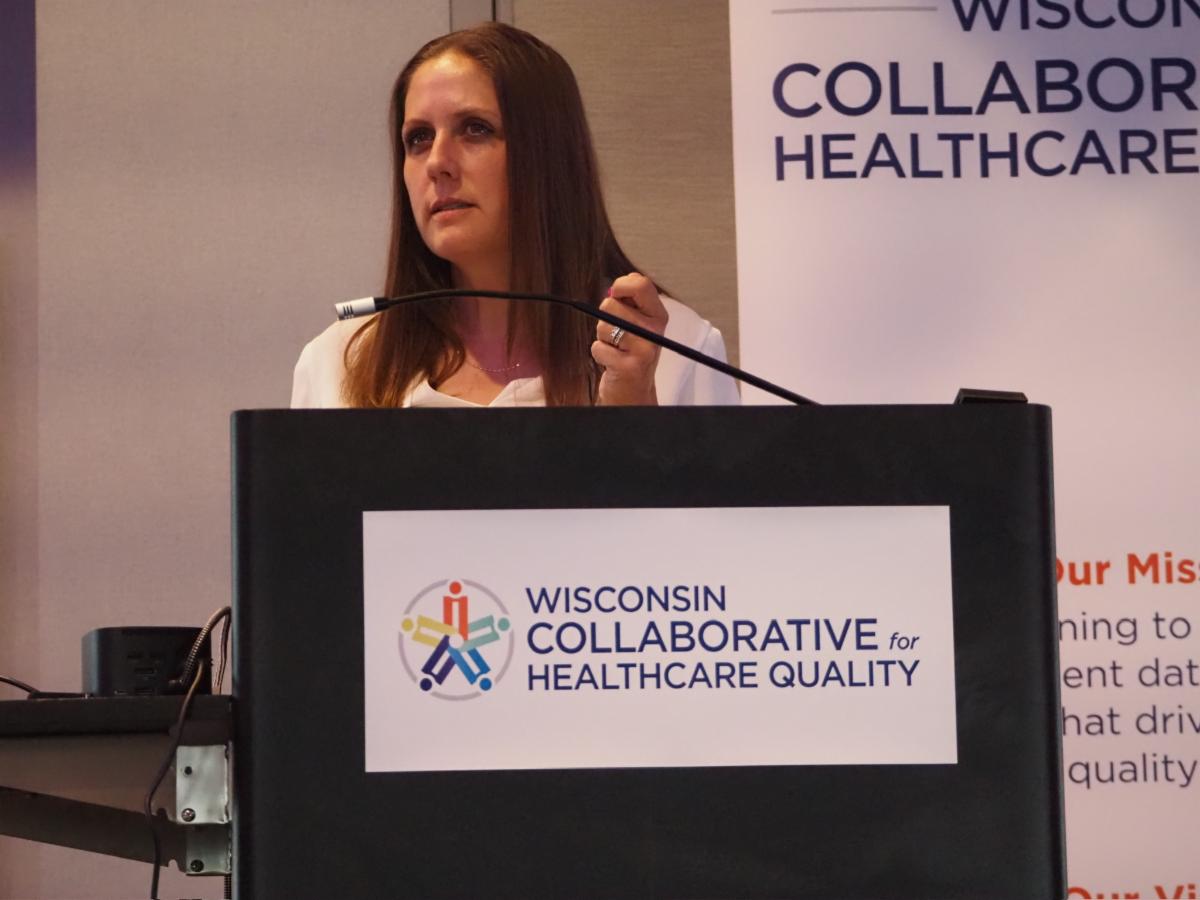
Gabrielle Rude, PhD, WCHQ President & CEO speaking during the opening address.
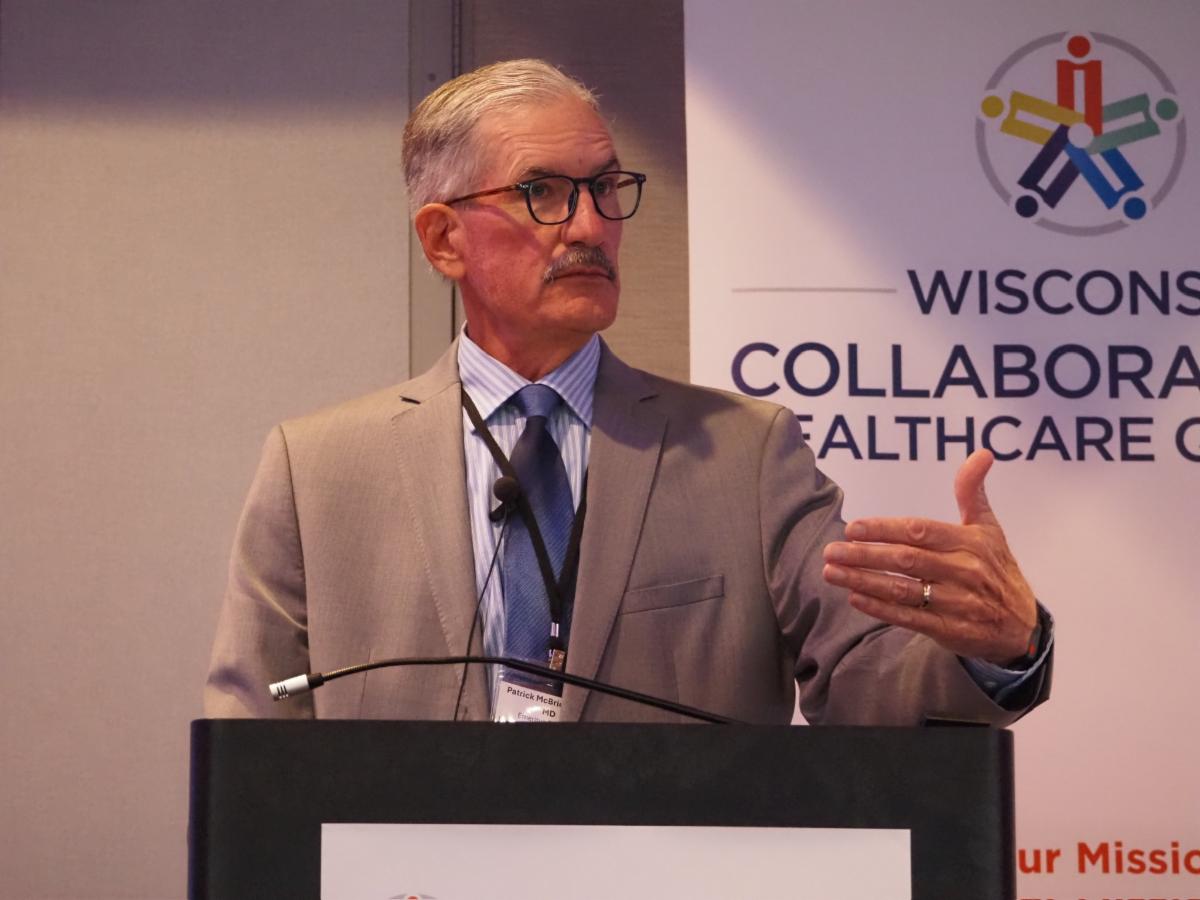
Patrick McBride, MD, MPH, UW Health speaking during his keynote session: "The State of Prevention: What’s Driving Cardiometabolic Health Today?"
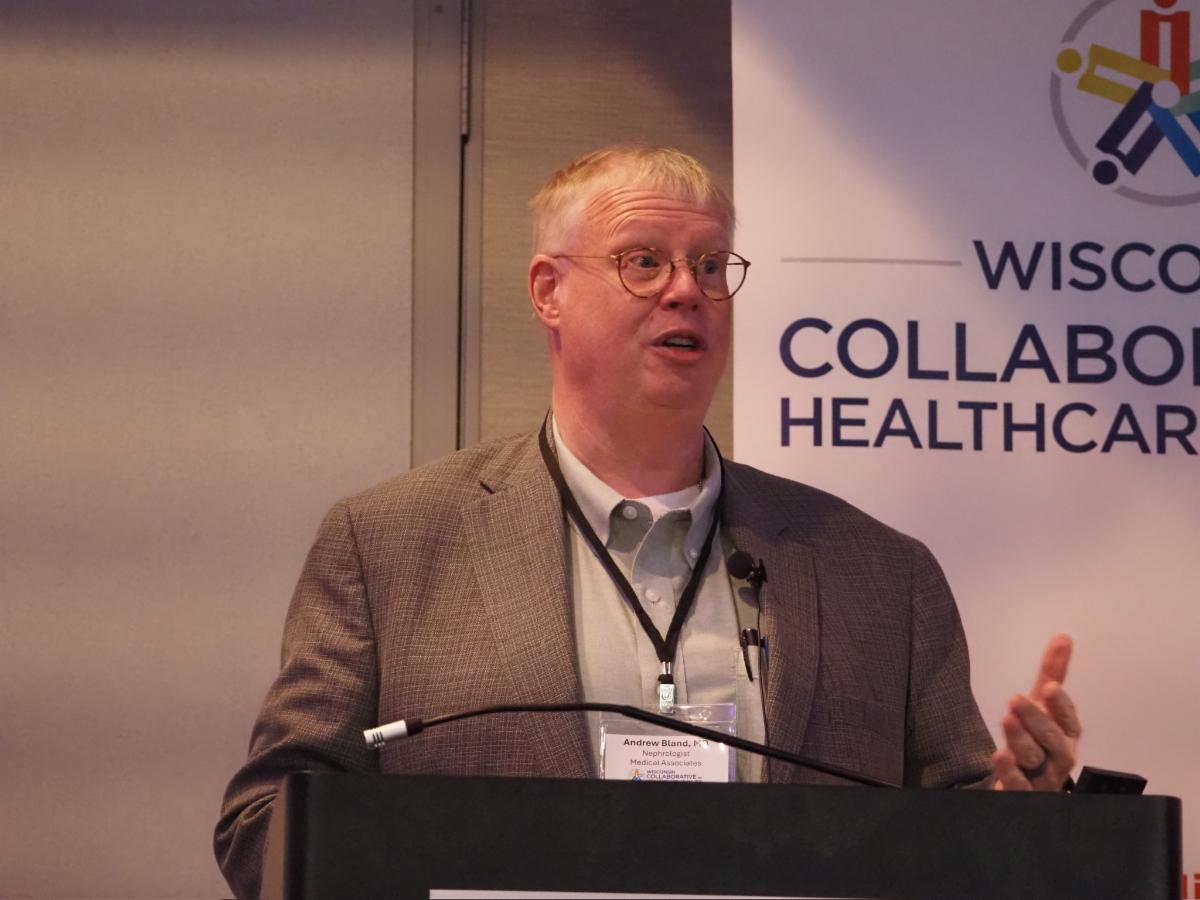
Andrew Bland, MD, Medical Associates speaking during his session: "CKD Closing the Gap in the Real World: Earlier Detection and Better Management of Kidney Disease"
WCHQ Annual Quality Awards Nominations Are Now Open!
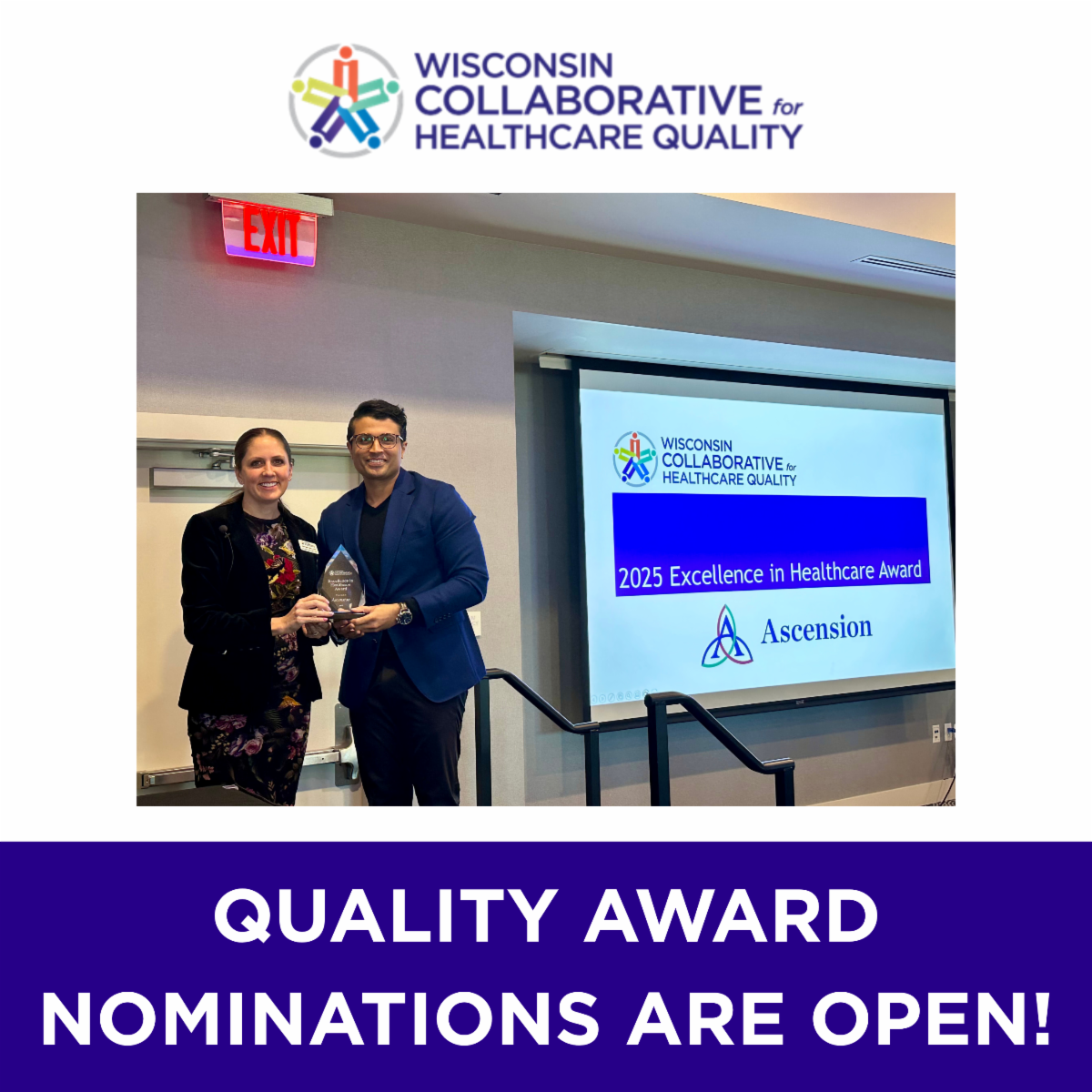
Health Systems across Wisconsin are making meaningful improvements and championing change to improve the health outcomes for patients. To celebrate our members and the incredible work they do, nominations for the WCHQ 2026 Annual Quality Awards are now open!
Nominate a Health System, Organization, Team and/or Individual for the 2026 WCHQ awards here. The submission deadline is October 1, 2026.
The award ceremony takes place at WCHQ’s annual Quality Impact Assembly on November 13, 2026. Register Today!